It’s another Monday. I’m up early, squeezed into a trotro on my way to a 9-to-5 carrying my own laptop through traffic just to go sit in an office and work on the same laptop.
We hit the traffic light on the Adenta–Madina road. Earbuds in. News feed scrolling. Same routine. Same morning.
Then I looked up.
A car rolled past.
No engine growl. No rumble. Just a soft, almost ghostly hum.
I blinked.
Another car. Same sound. Quiet. Sleek. New. Different.
By the time we reached the roundabout, my brain had started counting. Every third car. No… not every third. Almost every third.
My eyes darted from lane to lane trying to make sense of it.
Accra’s streets — the ones I knew for honking horns, exhaust smoke, and organized chaos — were changing.
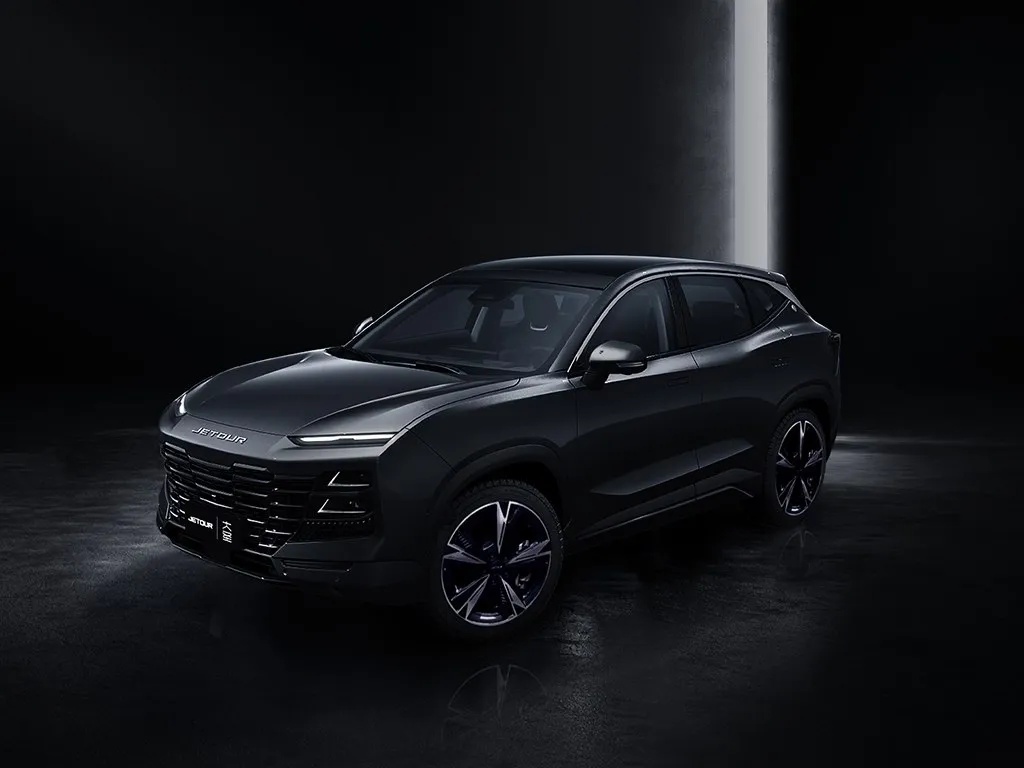
Electric cars. Everywhere.
At my workplace alone, I could count at least five. The company had even added EVs to its fleet.
Cars I used to see only on YouTube reviews, tech blogs, and foreign auto shows were now casually parked beside me at work.
A quiet army… taking over territory without asking permission.
The Quiet Invasion
If someone had told me five years ago that Accra would start filling with electric cars, I would’ve laughed.
Africa doesn’t exactly scream early EV adopter when the roads themselves are pothole jungles and most garages still struggle with basic diagnostics.
And yet — here they were.
Not just Chinese EVs anymore. Sometimes you’ll spot a Tesla glide past and you genuinely pause to ask yourself:
Is this actually Ghana?
They weren’t flashy. No giant billboards. No dramatic launch events.
They were just… normal cars now.
Parked in driveways. Lined outside offices. Sliding quietly through traffic.
Most wore unfamiliar badges — often Chinese.
Practical. Affordable. Functional.
And that’s exactly the point.
This isn’t hype.
This is market penetration.
EVs Aren’t Coming — They’re Here

The Pattern China Already Knows
Think about it.
TECNO.
Infinix.
Boomplay.
Chinese companies have already mastered a formula in Africa:
Enter quietly.
Price aggressively.
Distribute widely.
Adapt locally.
Win gradually.
They don’t start with hype.
They start with presence.
Now that same playbook is being applied to cars — brands like BYD and Geely are showing up in conversations, parking lots, and corporate fleets faster than anyone predicted.
And they’re moving faster than policy, infrastructure, or public debate can keep up with.
The Uneasy Question
But while watching these silent machines glide past, one question kept scratching at my mind:
Who’s going to fix them?
Where are the spare parts coming from?
Which roadside mechanic knows how to diagnose a battery management system?
Charging stations exist… but not enough.
Roads are unforgiving.
Floods don’t care about electronics.
And yet the cars keep coming.
It feels like watching someone sprint through a marathon wearing a blindfold.
Impressive speed.
Uncertain landing.
The Financing Push Nobody Is Talking About
Here’s where things get even more interesting.
Banks are starting to help.
Green financing schemes are quietly entering the chat — loans designed specifically to help people buy electric vehicles. Suddenly, owning an EV isn’t just a tech dream. It’s a financing option.
Dealers and EV companies are now visiting offices, organizing test drives, pitching directly to workers:
Trade in your old car.
Get a brand new electric one.
Pay gradually.
And it’s working.
Because the biggest barrier to adoption was never belief.
It was access.
Lower that barrier… and adoption accelerates.
Africa: The Accidental EV Test Lab
Here’s the twist nobody predicted:
Africa might become the real-world stress test for electric mobility.
Not Silicon Valley.
Not Europe.
Not China.
Africa.
Because if an EV can survive:
- unpredictable roads
- heat
- dust
- flooding
- voltage fluctuations
…it can survive anywhere.
Early adopters here aren’t just buyers.
They’re beta testers for the global EV industry.
The Cliffhanger
Accra didn’t debate electric cars.
It didn’t hold conferences about them.
Nobody officially announced their arrival.
They just… appeared.
And I have a feeling we haven’t even seen the real wave yet.
Because while these cars move silently,
the shift they represent is loud enough to change an entire continent.
The only real question now is:
How long before the rest of Africa looks up… and notices what’s already happening?